
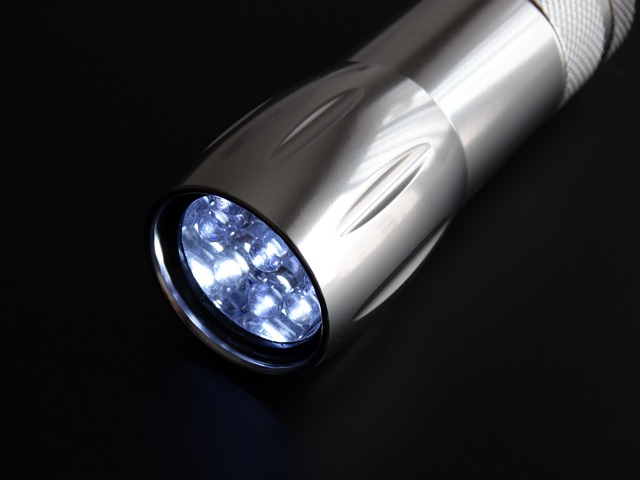
Imagine a world without blue light–emitting diodes (LEDs). For decades, engineers could produce red and green LEDs, but without blue, creating bright white LED light would be nearly impossible. White LEDs typically rely on blue LEDs combined with phosphor materials that convert some of the blue light into other colors. Without this technology, the highly efficient LED lighting used in homes, offices, and streetlights would not exist in its modern form. Instead, society would still rely much more heavily on incandescent and fluorescent lighting, which consume more electricity and have shorter lifespans. As a result, global energy use for lighting would be significantly higher, and efforts to reduce electricity consumption and carbon emissions would be more difficult.
The absence of blue LEDs would also affect many everyday technologies beyond lighting. Modern high-resolution displays—such as televisions, smartphones, and computer monitors—depend on red, green, and blue pixels to produce the full spectrum of colors we see on screens.
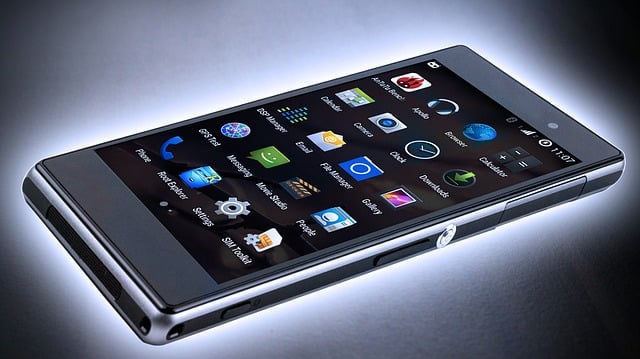
There would not be these ether.
/Without blue LEDs, display technology would be far less vibrant and efficient, potentially slowing the development of today’s advanced digital devices. In addition, blue LEDs play important roles in medical equipment, sterilization technologies, and optical storage systems. Without them, innovations in these fields might have progressed more slowly, demonstrating how one seemingly small breakthrough in materials science can influence countless aspects of modern life.