

European frequency schemes are different than in North America
The European Radio Spectrum refers to the range of radio frequencies used across Europe for wireless communication, broadcasting, navigation, and scientific research.
These frequencies are a limited natural resource and must be carefully managed to prevent interference between services. In Europe, coordination of spectrum use is primarily overseen by the European Conference of Postal and Telecommunications Administrations (CEPT) and implemented within the regulatory framework of the European Union. National regulatory authorities within each country allocate specific frequency bands for services such as television broadcasting, mobile networks, satellite communication, and emergency services. Harmonizing spectrum policies across Europe helps ensure that devices like smartphones, radios, and navigation systems operate reliably across borders.
Efficient management of the European radio spectrum is essential for supporting modern digital infrastructure and emerging technologies. With the growth of high-speed mobile networks such as 5G, demand for radio frequencies has increased significantly.

European regulators coordinate spectrum allocation to balance commercial needs with public services, including aviation communication, weather monitoring, and scientific observation. Organizations like European Telecommunications Standards Institute (ETSI) also contribute by developing technical standards that ensure compatibility and efficient use of spectrum resources. Through cooperative regulation and technological innovation, Europe works to maximize the value of the radio spectrum while minimizing interference and maintaining reliable communication systems.
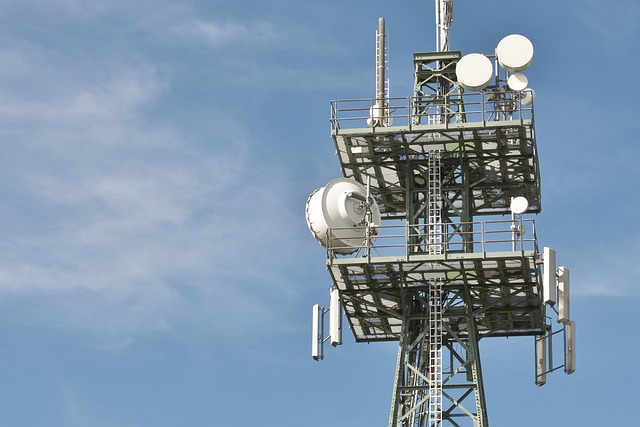
This tower transmits many different frequencies for many different uses